Heritage
The Legacy of Makrana Marble
One of the most sought-after ornamental stones on earth — present in the Taj Mahal, the Victoria Memorial, the Sheikh Zayed Mosque and countless palaces.
Heritage
The Epitome of Versatility
Makrana sits in the Nagaur district of Rajasthan. Its marble is among the most preferred ornamental stones in the world.
The Taj Mahal of Agra and the Victoria Memorial of Kolkata are both clad in Makrana marble — two of history's most iconic monuments.
It has also been a major building material for scores of forts, palaces and archaeologically significant buildings.
A Brief History
Prominent Mining Ranges
Types of Makrana Marble
Makrana marble splits into distinct categories by design and pattern.
Makrana White
Widely used in homes, temples, mosques and monuments — 95–98% calcium carbonate.
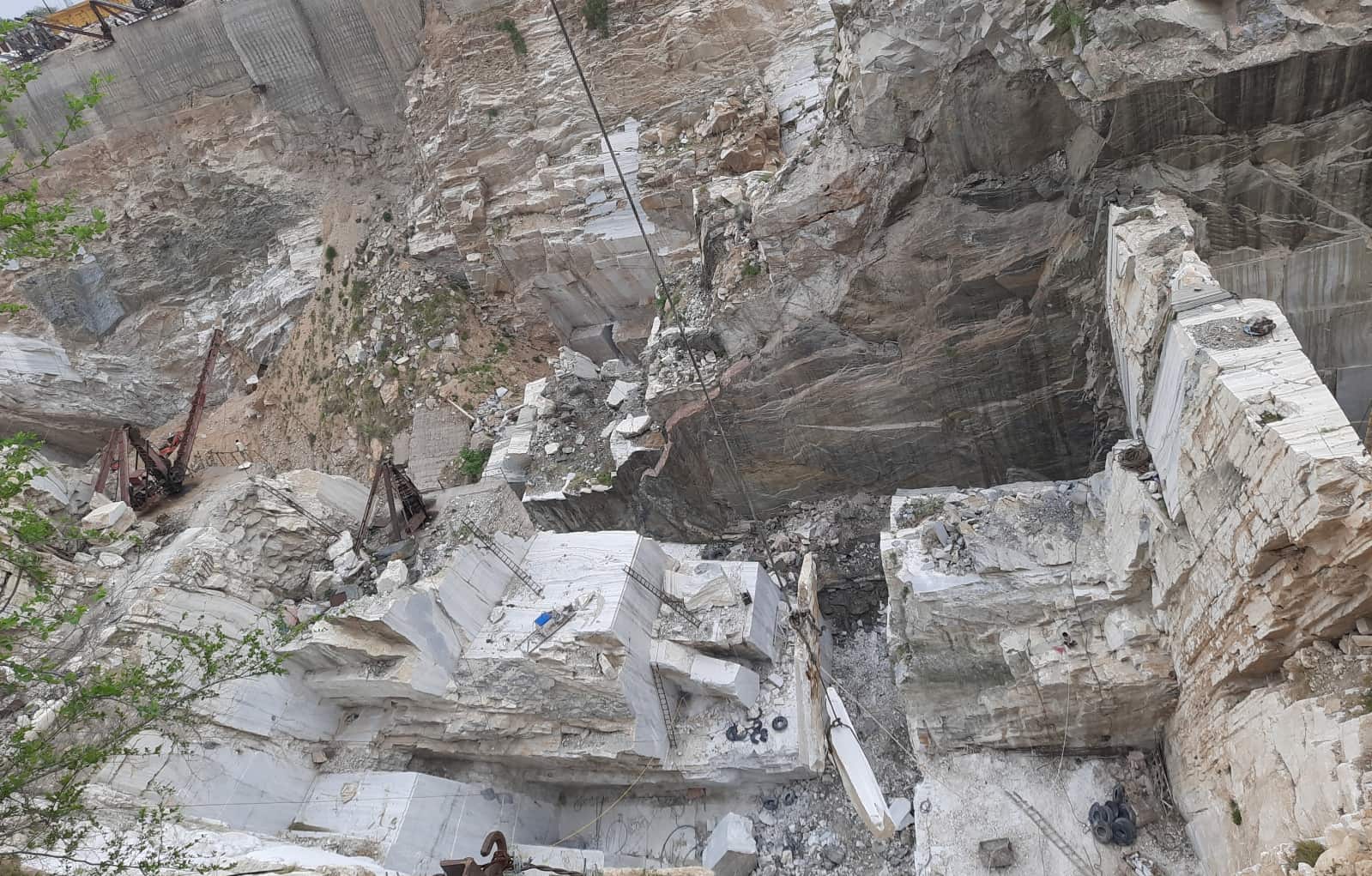
Albeta
A calcite stone; milky white, also found in grey and panther-brown patterns.
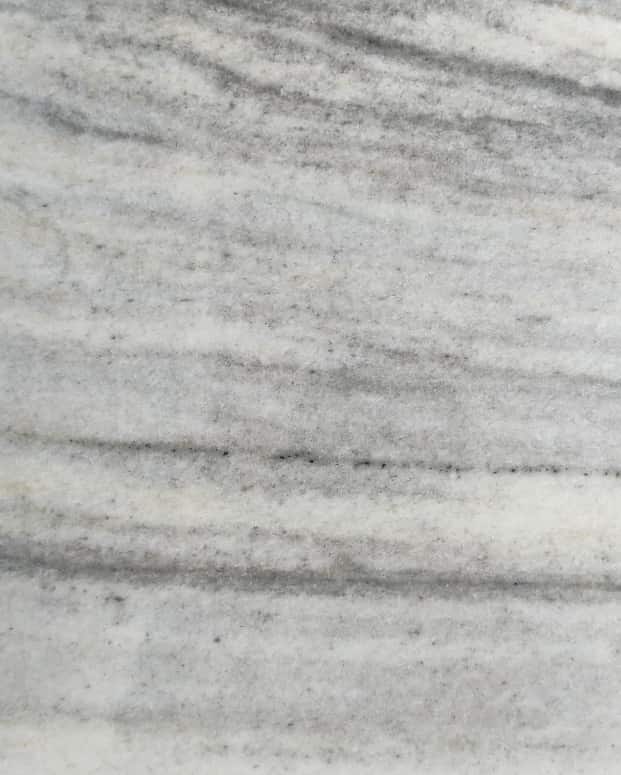
Dungri
One of the oldest, finest grades — no chemical reinforcement, no colour change, no pin-holes.
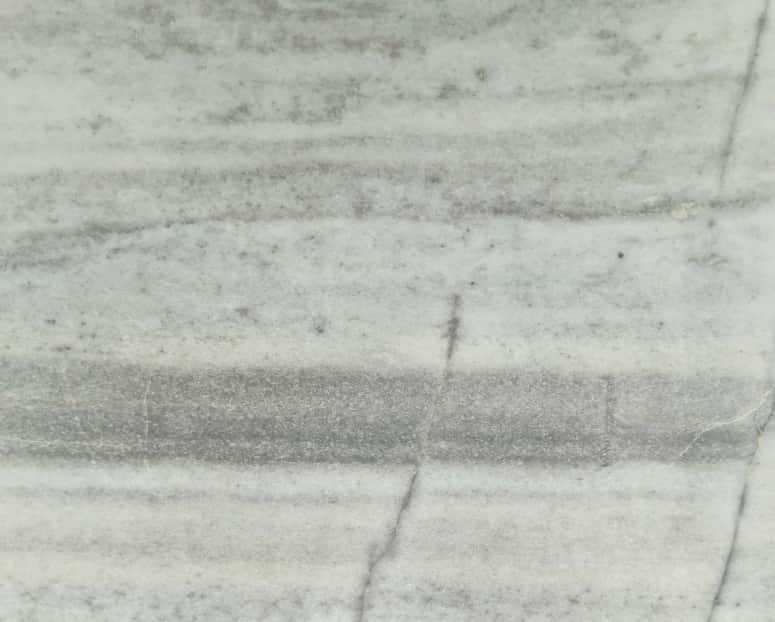
Chak Dungri
From the Chak Dungri–Adanga range, known for subtle veining and excellent durability.
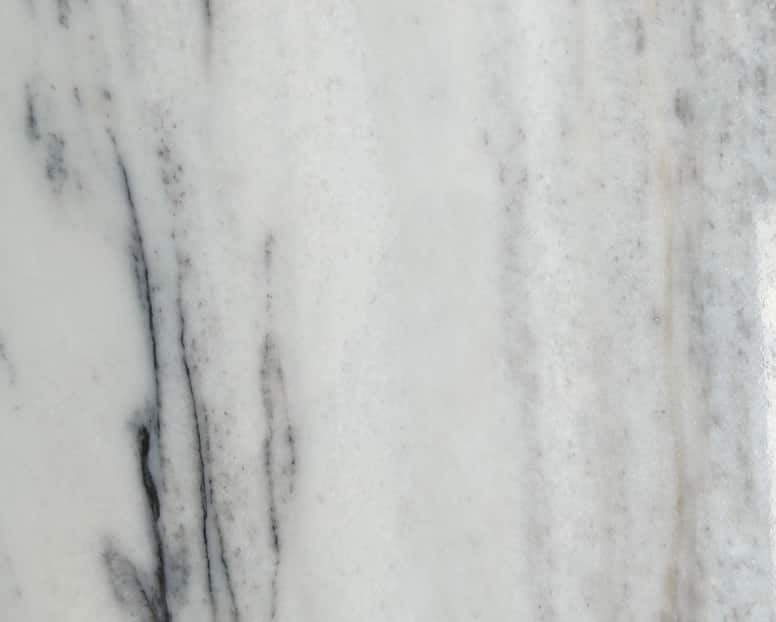
Khumari
A grey marble with elegant patterning from the Kumhari range.

Makrana Pink
Distinctive pink marble, popular for flooring, elevations and decorative work.
Pink Adanga
Pink marble with unique patterns from the Ulodi–Adanga range.
Adanga
Varies grey to brown, sourced across multiple mining ranges.
Geological Setup
Rajasthan has a highly varied, complex geology. Makrana deposits belong to the Ajmer Formation of the Kumbhalgarh Group.
The Raialo Series comprises limestones frequently metamorphosed to marble.
Marble reserves in the region are estimated at 55 million tonnes.